

New Year on Frontlines with Sentinel in Clouds on Huashan Mountain
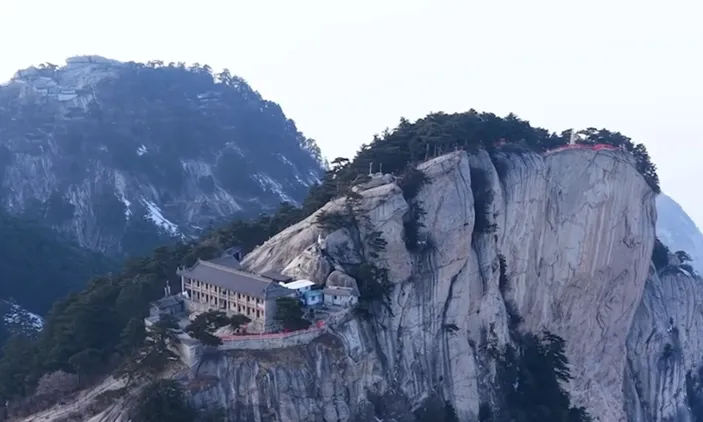
The Huashan Meteorological Station, standing at an altitude of 2,064.9 meters on the West Peak, plays a vital role in monitoring the weather for visitors to Huashan Mountain, ensuring their safety with the support of advanced technology and a dedicated team. This marked the 33rd year that Yu Jinjiang, the station’s head, has dedicated his life to the mountain's unique demands.
Upon stepping out of his dormitory early in the morning, Yu faced a temperature of minus 2 degrees Celsius. He quickly contacted Tan Yiying, the station operator, to assess whether maintenance was needed for the weather instruments positioned on the exposed summit. Known for its harsh conditions, the strong winds cut through their clothing, a stark reminder of the mountain's challenges.
Yu emphasizes the unwavering commitment of the meteorological team, stating, 'Regardless of the weather conditions – be it windy, rainy, or snowy – we venture out daily to ensure all equipment is functioning correctly and that data is being relayed without interruption.' This vigilance is particularly crucial given Huashan's reputation as a climatic boundary separating northern and southern China.
As a national benchmark climate station, Huashan Meteorological Station continuously monitors a range of meteorological elements, including temperature, wind speed, and humidity. Yu notes with pride that the station has been operational since 1952 and has maintained an uninterrupted record of meteorological data, enhancing both local and regional weather forecasting capabilities.
Yu recalls his own initiation into the role when, at just 20 years old, he navigated the arduous terrain to report for duty. Despite the initial harsh conditions of limited resources, he was inspired by the dedication of previous meteorologists. Today, advancements such as cable cars have made access significantly easier, showing progress in working conditions.
During the peak Spring Festival season, the station's role becomes even more critical as it provides weather forecasts necessary for ensuring the safety of tourists. Factors such as potential thunderstorms, landslide risks, and conditions for stargazing are meticulously monitored and communicated to maintain tourist safety.
As the bustling tourism season approaches, operational directors like Liu Fan from local ropeway companies frequently consult with Yu on weather forecasts, especially regarding high wind alerts that can impact cableway operations. The station's proactive communication ensures that safety measures are promptly implemented to accommodate the changing weather.
Yu and his team are consistently on alert for unpredictable weather patterns prevalent in the region. The unique interaction between warm and cold air masses can give rise to sudden storms, necessitating real-time adjustments to tourist operations. Such vigilance has proven life-saving during severe weather incidents in the past.
Back at the station, Yu engages in regular mountain patrols to inspect automated weather observation equipment, which has become more prevalent due to advancements in meteorological technology. Although automation has increased efficiency, on-site personnel remain indispensable for maintenance and data accuracy.
In anticipation of future needs, the station is set to upgrade its equipment to smarter devices. Yu reassures that while technology will enhance operations, the continued presence of dedicated personnel is essential for ensuring that a legacy of excellence in meteorological services endures.
As night falls over Huashan Mountain, the tranquility of the summit reflects a deep commitment to safety and precision. A modest two-story building, illuminated against the darkened backdrop, stands as a beacon of hope and protection for both the station team and visitors alike during the festive season.
Read These Next

US Jobs Data Looks Strong But Hides Structural Weaknesses
Fed has limited policy flexibility as inflation remains high; labor market trends will shape US growth and future monetary policy.

OpenAI System Recovery Fully Operational Again
OpenAI's systems have fully resumed operation, resolving recent service interruptions and ensuring a stable user experience.
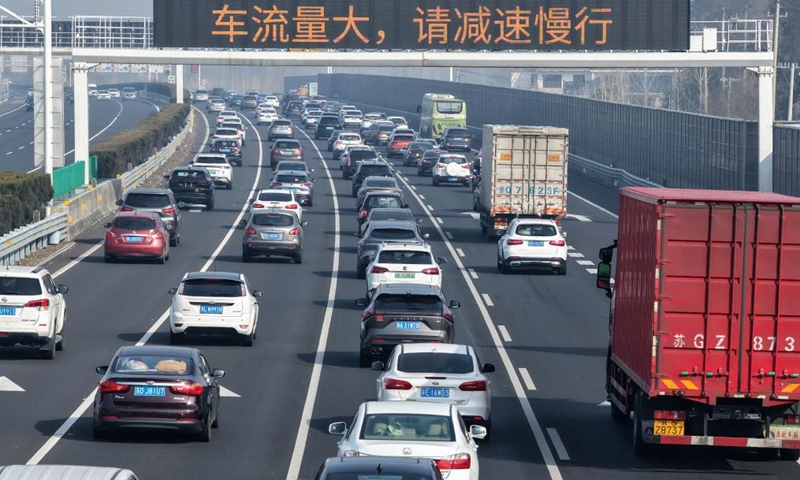
China Expects Over 285 Million Trips on Spring Festival Day
China expects over 285 million trips on the first day of the Spring Festival, reflecting growing travel and economic activity.