

China urges boost in trade funds to enhance domestic consumption
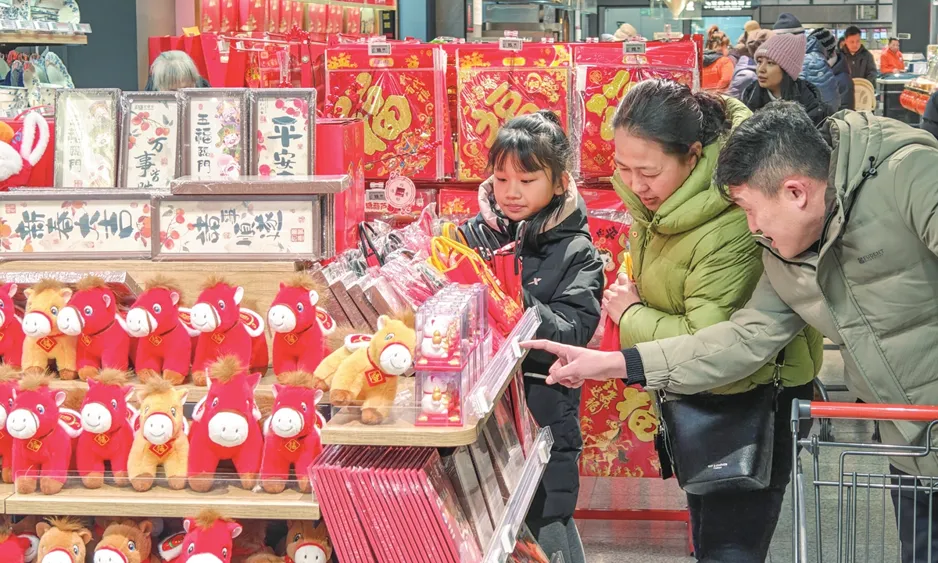
China's Ministry of Commerce (MOFCOM) has called on provincial governments to strengthen subsidies for the consumer goods trade-in program as part of a concerted effort to bolster domestic spending during the Spring Festival. This initiative aims to enhance consumer confidence and stimulate market activity during this crucial holiday period.
As outlined in a notice posted on MOFCOM's website, special emphasis will be placed on ensuring that consumers can easily access subsidies for trading in home appliances and purchasing new digital products through offline channels during the nine-day holiday, which runs until February 23. Furthermore, motorists buying new vehicles will also be eligible for automobile trade-in subsidies.
The introduction of a new phase of the consumer goods trade-in policy coincides with the peak consumption season associated with the Spring Festival, resulting in a heightened demand for replacement home appliances and electronic devices.
A representative from a Suning retail store in Beijing's Chaoyang District reported a notable increase in customer inquiries regarding trade-ins for items such as televisions, refrigerators, and rice cookers. Notably, the availability of national trade-in subsidies and additional consumption vouchers has enabled consumers to purchase a refrigerator valued at approximately 14,000 yuan for just over 8,000 yuan.
Data from MOFCOM indicates that the subsidy program has led to sales of over 15 million units of home appliances and digital products in January alone, generating nearly 59 billion yuan in total sales revenue.
In addition to boosting retail sales, the subsidy program has positively impacted ancillary sectors like dining and entertainment, as it encourages consumers to return to physical stores, according to the ministry's statements.
The continued success of the consumer goods trade-in program underscores the considerable potential within China's domestic market, suggesting that consumption will increasingly drive economic growth and transformation, remarked economist Cao Heping from Peking University.
Analysts are closely monitoring domestic demand, which is becoming a focal point for those observing China's economic performance. According to the National Bureau of Statistics, retail sales of consumer goods rose by 3.7 percent year-on-year in 2025, amounting to 50.1 trillion yuan. Moreover, last year's final consumption expenditure contributed a remarkable 52 percent to economic growth, representing a five percentage point increase from the prior year.
In a strategy document released in late November, China's Ministry of Industry and Information Technology, in collaboration with five other agencies, delineated essential measures to better align supply with consumer demand, thereby fostering consumption.
Looking ahead, projections suggest that by 2027, the structure of consumer goods supply will undergo significant optimization, resulting in the emergence of sectors worth three trillion yuan, alongside ten consumption hotspots, each valued at 100 billion yuan. The plan also anticipates a steady rise in consumption's contribution to economic growth by 2030.
Despite ongoing economic pressures, experts predict a range of favorable factors will contribute to sustained consumption growth in the coming year. These factors include a substantial potential for consumption upgrades, the sustained effectiveness of pro-consumption policies, and ongoing enhancements in the overall consumer environment.
Read These Next

US Jobs Data Looks Strong But Hides Structural Weaknesses
Fed has limited policy flexibility as inflation remains high; labor market trends will shape US growth and future monetary policy.

OpenAI System Recovery Fully Operational Again
OpenAI's systems have fully resumed operation, resolving recent service interruptions and ensuring a stable user experience.
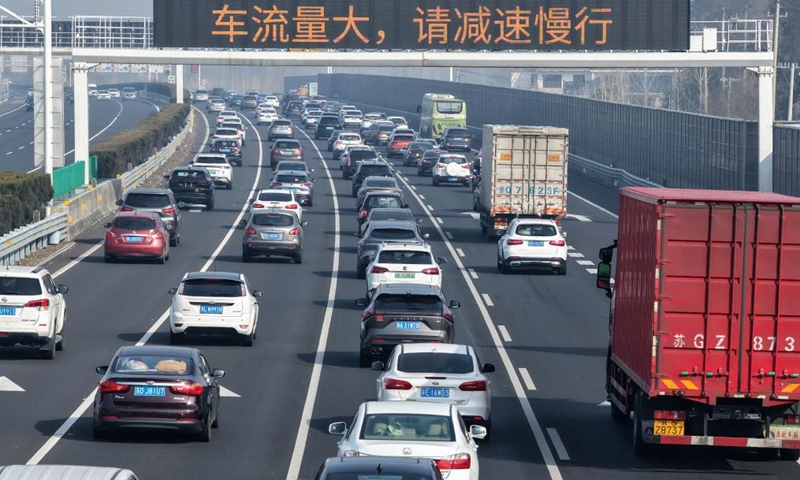
China Expects Over 285 Million Trips on Spring Festival Day
China expects over 285 million trips on the first day of the Spring Festival, reflecting growing travel and economic activity.