

China to Launch AI and Low-Altitude Economy Majors in Vocational Reform
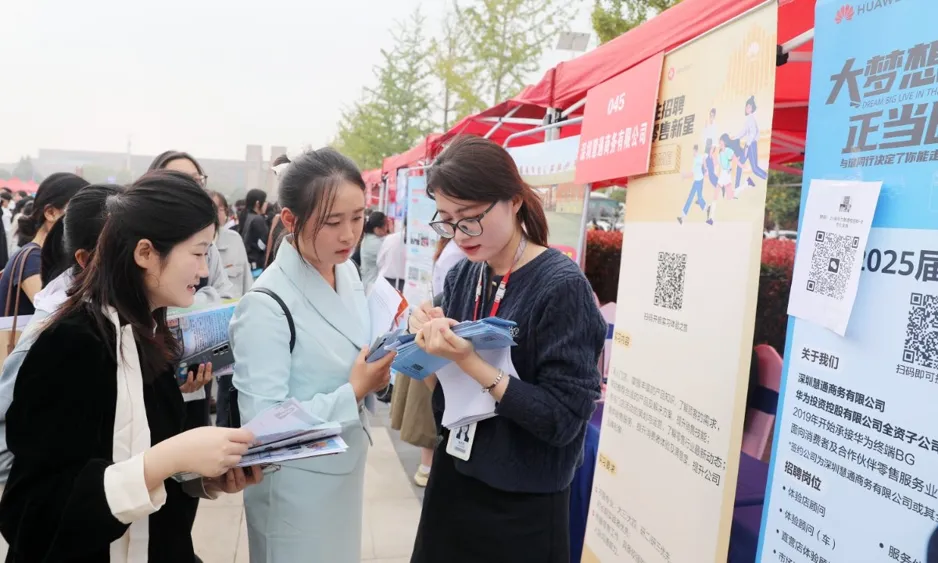
China's Ministry of Education is set to embark on a significant overhaul of its vocational education system, introducing new majors in artificial intelligence and low-altitude economy. This initiative aims to better align educational outcomes with the evolving needs of the industries in the nation.
In a recent announcement, authorities provided a comprehensive guideline detailing the proposed reforms within vocational education. The reforms are designed to modernize majors, curricula, teaching materials, and internship training to create a stronger link between education and employment.
The core focus of this reform strategy is on adjusting major offerings to meet market demands. This includes the introduction of new programs while phasing out those that are oversupplied, particularly in sectors such as artificial intelligence, low-altitude economy, and advanced equipment manufacturing.
The Ministry's guideline emphasizes the integration of big data and artificial intelligence for more accurately forecasting talent needs. This data-driven approach is intended to bolster decision-making and ensure that the vocational education system is responsive to industry changes.
Existing majors will also receive necessary updates to adapt to the latest trends in digital transformation and green technology. The objective is to equip graduates with skills that are versatile and relevant in a rapidly changing job market.
To foster better collaboration, the guideline proposes establishing regular consultation channels among provincial education departments. These channels will help in identifying urgently required majors and programs that either need enhancement or cancellation.
This initiative reflects China's broader strategy of accommodating new economic drivers through revisions to vocational programs, thus addressing skill mismatches and supporting industrial growth. Experts note that the reform aligns closely with national policies aimed at enhancing human capital.
Additionally, there has been an increasing emphasis on investing in human capital, which has gained traction in governmental discussions. The concept has been featured prominently in recent government work reports and strategic planning sessions for long-term economic objectives.
In conjunction with the introduction of micro-majors in AI and low-altitude economics, approximately 12 key fields are being prioritized for urgent development. Over 2,600 micro-majors have been established for the incoming class, reflecting a shift towards tailored vocational training.
The guideline sets forth five critical reform tasks aimed at fostering the development of highly skilled workers. These include dynamically adapting major programs, enhancing curriculum design, optimizing teaching resources, and improving the qualifications and training of educators.
Ultimately, the Ministry of Education envisions these reforms leading to the creation of a robust vocational education system by 2027 and a model that aligns with China's unique development strategies by 2035. This model is intended to significantly boost the effectiveness of vocational education in supporting national goals.
Read These Next

US Jobs Data Looks Strong But Hides Structural Weaknesses
Fed has limited policy flexibility as inflation remains high; labor market trends will shape US growth and future monetary policy.

OpenAI System Recovery Fully Operational Again
OpenAI's systems have fully resumed operation, resolving recent service interruptions and ensuring a stable user experience.
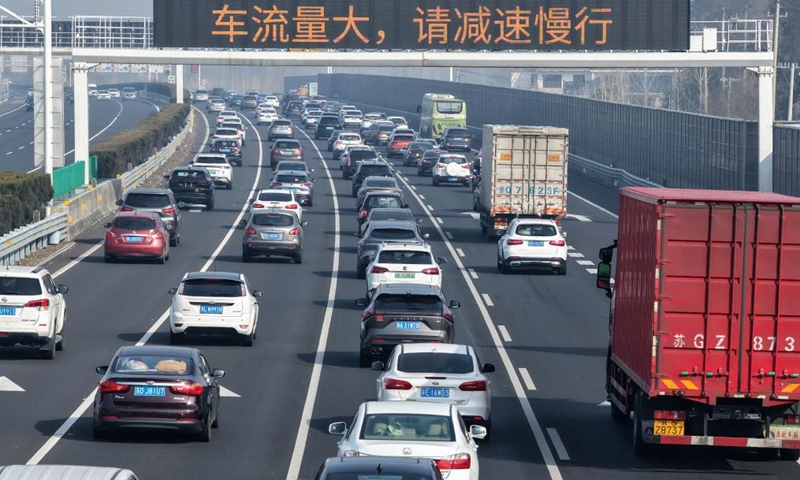
China Expects Over 285 Million Trips on Spring Festival Day
China expects over 285 million trips on the first day of the Spring Festival, reflecting growing travel and economic activity.