

US Suspends Tech Restrictions Before Key Discussions But Containment Mindset Holds
The US administration has paused several technology restrictions targeting Chinese companies as discussions intensify between the two nations. This decision, which coincides with high-level meetings planned for April, could serve to alleviate existing tensions. However, it is essential to note that strategic concerns persist, particularly in light of recent domestic regulations regarding clean-energy subsidies.
Reports indicate that the US has placed on hold significant technology security measures aimed at Beijing. These include restricting China Telecom's operations in the US and prohibiting the sale of Chinese equipment for US data centers. Furthermore, proposed bans affecting domestic sales of TP-Link routers and the US internet activities of China Unicom and China Mobile have also been postponed.
Chinese analysts view the potential suspension of restrictions as a pragmatic adjustment beneficial to both the US and China, suggesting it may aid in stabilizing global markets. However, the tightening of clean-energy subsidies signals underlying pressures within key sectors that remain unchanged.
The latest measures represent a continuation of actions initiated during the Trump administration aimed at preventing escalation in the relationship following a trade truce agreed upon by the two nations' leaders in October. This underscores a complex environment characterized by both cooperation and contention.
In light of the anticipated visit of US President Donald Trump to China, significant diplomatic communications have taken place. The invitation from President Xi Jinping reflects a desire for continued dialogue, emphasizing mutual interests that could enhance economic stability between the two largest economies.
Economists underscore the interdependent nature of China-US economic relations, highlighting the need for collaboration to fulfill agreements made by the two countries' leaders. Such cooperation offers much-needed certainty and stability, not only for bilateral relations but also for the global economy.
Nonetheless, while the suspension of certain restrictions can indicate progress, experts caution that it does not imply a fundamental change in US policy. Instead, these measures could easily be reinstated depending on the diplomatic climate and emerging policy shifts in Washington.
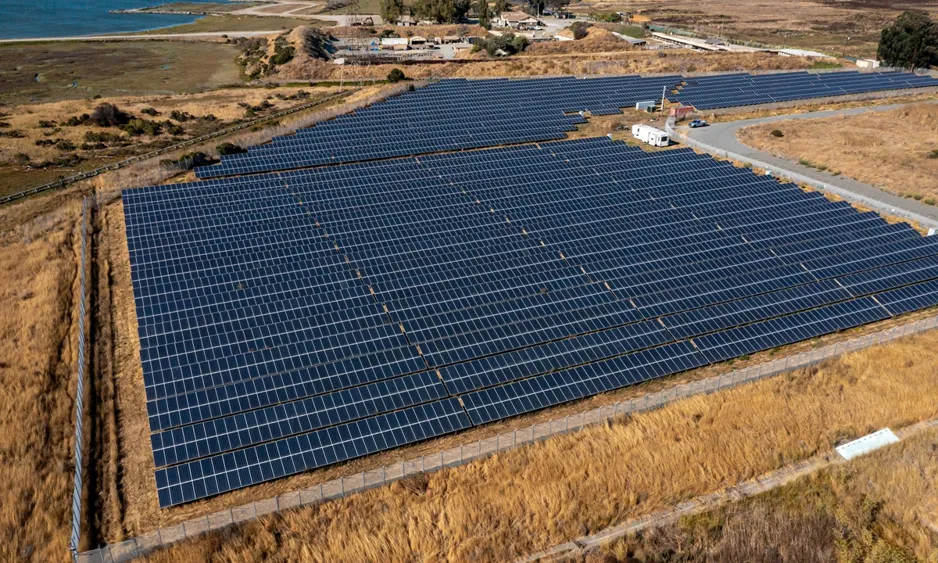
The US Commerce Department has reaffirmed its commitment to address perceived national security threats posed by foreign technology, indicating that similar actions could continue. Even amid reduced tensions, new regulations from the Treasury Department aim to restrict clean-energy subsidies to companies reliant on Chinese-made components.
Moreover, existing subsidy rules derived from the Inflation Reduction Act present challenges as they grant benefits primarily to domestic manufacturers, thereby disadvantaging foreign suppliers. Similar measures have already faced challenges at the World Trade Organization, signaling ongoing disputes over international trade norms.
In response to these developments, China's Ministry of Commerce has urged the US to amend practices that do not align with international trade standards, advocating for a more stable global trade environment. Ultimately, the nature of US-China relations appears poised at a critical juncture, balancing between competition and cooperation.
Read These Next

AI Disruption Threatens Credit Markets
Matthew Mish of UBS warns of potential disruptions caused by AI in credit markets, predicting significant defaults among corporate loans, especially in the software sector.

Experts Warn DPP US Trade Deal is Political Pledge Not Economic Plan
Experts criticize Taiwan-US trade deal as DPP political maneuver, warning it may hinder future regional economic relations.

S&P 500 Real Estate Services Index Plunges 14 Percent This Week
The S&P 500 Real Estate Services Index fell 14% this week, the largest drop since 2020, due to high inflation and rising rates.