

China to Implement Up to 117 Tariff on EU Dairy Products
China is set to implement a tariff of up to 117% on dairy products imported from the European Union. This significant move is a response to what Chinese experts assert are distortions in the market caused by the EU's Common Agricultural Policy (CAP) subsidies that affect local production and undermine international market dynamics.
The decision follows a countervailing investigation initiated on August 21, 2024, prompted by applications from the Dairy Association of China and the China Dairy Industry Association. This investigation was anticipated as per earlier reports published by the Global Times.
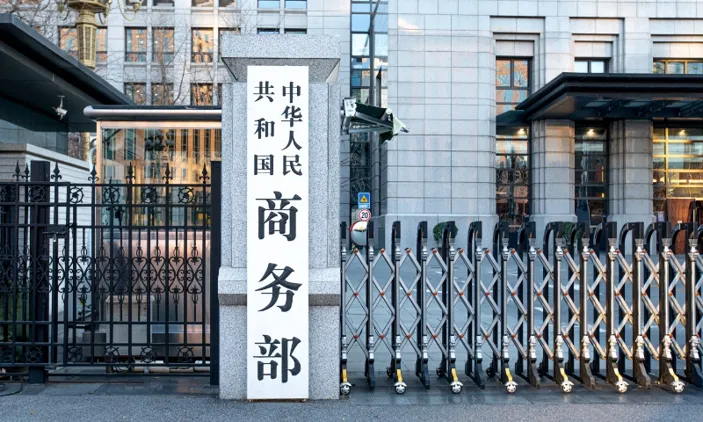
The Ministry of Commerce (MOFCOM) has emphasized that the investigation adhered to principles of fairness, impartiality, and transparency, conducted under Chinese law and World Trade Organization (WTO) regulations. A spokesperson noted that all stakeholders were consulted during the process to ensure an objective conclusion.
The findings of the investigation revealed that EU dairy imports received substantial subsidies, which inflicted considerable harm on China's domestic dairy industry. These findings have established a clear causal relationship between the EU subsidies and the detrimental impact on local producers.
Experts argue that the latest move by China not only seeks to protect domestic interests but also aims to foster a fair and competitive market environment. Analyst Li Yong highlighted that EU trade practices have adversely affected the Chinese dairy sector, making the implementation of anti-subsidy measures both appropriate and timely.
Notably, the EU's CAP provides significant support to its dairy sector, with subsidies representing a large portion of farm income across various EU member states. In some nations, subsidies can account for more than 20% of total farm income, and in high-subsidy countries, this figure can soar to between 70% and 90%.
According to data from the European Commission, total EU agricultural income support averages around 33%. These substantial subsidies have contributed to excess production in the EU, pushing surplus dairy goods into international markets and placing downward pressure on prices globally.
Jian Junbo, an expert with the Center for China-Europe Relations at Fudan University, noted that the massive scale of CAP subsidies disrupts domestic industries and creates an uneven playing field. He argued that these practices distort production incentives and generate concerns for countries like China that are trying to navigate these challenges.
In December, China decided to impose temporary countervailing measures on certain EU dairy products, with ad valorem duties ranging from 21.9% to 42.7% based on the investigation's conclusions. This reflects the finding that subsidized imports significantly harm China's dairy market.
Following the final ruling, the announced subsidy rates are considerably lower than the earlier temporary rates. This adjustment indicates that the investigative authorities took into account the perspectives of EU companies, aiming for a conclusion that is both fair and reasoned.
Read These Next

AI Disruption Threatens Credit Markets
Matthew Mish of UBS warns of potential disruptions caused by AI in credit markets, predicting significant defaults among corporate loans, especially in the software sector.

Experts Warn DPP US Trade Deal is Political Pledge Not Economic Plan
Experts criticize Taiwan-US trade deal as DPP political maneuver, warning it may hinder future regional economic relations.

S&P 500 Real Estate Services Index Plunges 14 Percent This Week
The S&P 500 Real Estate Services Index fell 14% this week, the largest drop since 2020, due to high inflation and rising rates.