

Chinese Autonomous Driving Firms Target Middle East Expansion
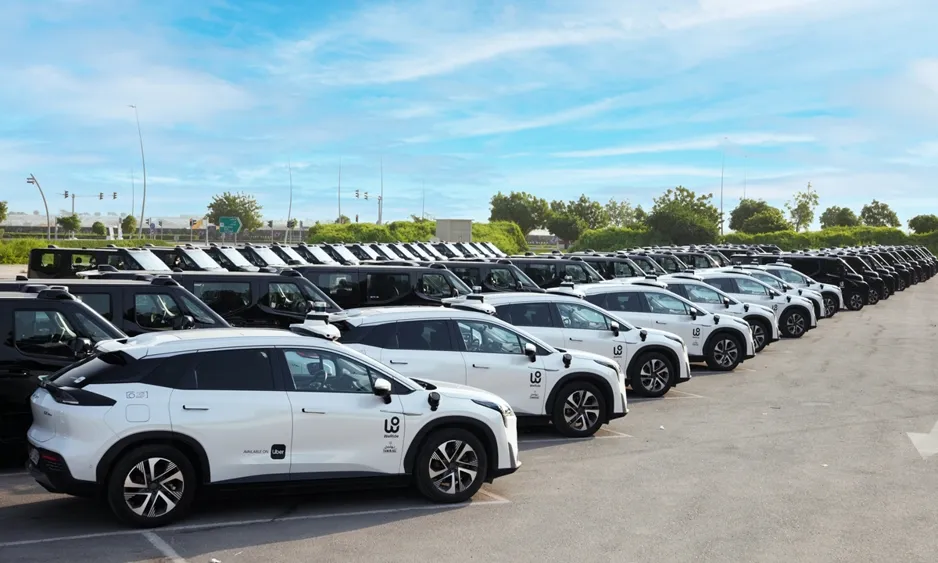
Chinese autonomous driving firms are making significant strides in expanding their influence into the Middle East market, signaling a proactive approach towards the internationalization of their driving technology.
Notably, Baidu and Uber Technologies Inc. have joined forces with Dubai's Roads and Transport Authority to advance their global partnership, which entails the integration of the Apollo Go autonomous ride-hailing service into the Uber platform within Dubai.
The launch of fully autonomous vehicles is on the horizon, with access scheduled through the Uber app in select locations in the Jumeirah area. The rollout is expected to evolve based on operational data and regulatory approval throughout Dubai, as per the official communications from the company.
This partnership aligns with Dubai's ambitious goal of achieving 25 percent autonomous transportation by 2030, laying a foundation for the city to lead in this evolving technological landscape.
Nan Yang, Vice President of Baidu and General Manager of the Overseas Business Unit in the Intelligent Driving Group, stated that this deployment marks a significant achievement in their collaborative efforts, leveraging Uber's extensive network to realize their mutual vision.
Baidu is not the only player looking to capitalize on this opportunity. WeRide recently announced a strategic partnership with Uber aimed at deploying at least 1,200 Robotaxis across the Middle East, with operations planned for cities such as Abu Dhabi, Dubai, and Riyadh by 2027.
The introduction of these Robotaxis will be facilitated through the Uber app in these regions, following existing autonomous operations in Abu Dhabi and passenger services in Dubai and Riyadh. The fleet will be gradually expanded as regulatory approvals and performance benchmarks are achieved.
Cui Dongshu, secretary-general of the China Passenger Car Association, noted that the growing presence of Chinese autonomous driving companies in the Middle East reflects favorable policy conditions and a supportive environment for their market entry.
The UAE's Artificial Intelligence Strategy 2030 fosters the use of fully autonomous vehicles on public roads, aiming for a significant reduction in the percentage of manual transport by 2030.
With the heightened competition in autonomous vehicles, the European market is emerging as a key battleground for innovative Chinese self-driving technologies, as seen in Baidu's recent plans to expand into London.
Additionally, the collaboration between Stellantis and Pony.ai is advancing the development of Robotaxi technologies in Europe, underscoring the global reach and ambition of Chinese automotive firms.
Read These Next

Impact of El Paso Flight Suspension from DoD Drone Plans
The article discusses the temporary suspension of flights at El Paso International Airport due to military testing against drone threats from drug cartels, highlighting its economic impact, security implications, and potential regulatory shifts.

Local Governments Allocate 297 Million to Boost Spring Festival Spending
China's local governments allocate 2.05 billion yuan ($297 million) for consumption vouchers to boost spending during the Spring Festival.

McDonald's Q4 Revenue Hits $7.01 Billion Beating Estimates
McDonald's Q4 revenue hit $7.01B, beating estimates. Same-store sales grew 5.7%, EPS was $3.12, both above forecasts.