

Japan's Engel's Coefficient Hits 28.6 Percent High Since 1981
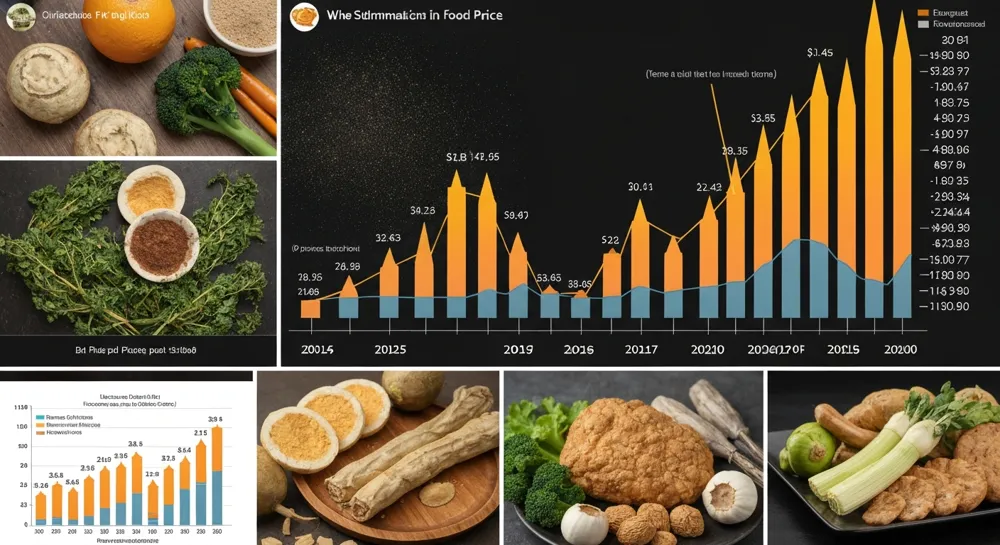
Japan's Engel's coefficient has surged to 28.6 percent, the highest level recorded since 1981. This significant increase has been driven by a notable rise in food prices, which has begun to exert pressure on consumer spending patterns across the nation.
As a key indicator of consumer spending, the Engel's coefficient reflects the proportion of household income spent on food. The rising percentage suggests that households are dedicating a larger share of their budgets to essential food purchases, thereby limiting discretionary spending on other goods and services. This trend is indicative of broader economic pressures that could influence the market dynamics in Japan.
Read These Next

Stability in China's High Precision Automation Annual Report
Analysis of China High Precision Automation Group Limited's recent annual report, highlighting stability in share capital, compliance with regulations, and the implications of stock options on long-term performance and investor confidence.

Toyota's Leadership Transition Focuses on Financial Acumen
Analysis of Kenta Kon's promotion to CEO at Toyota, highlighting the significance of financial management in corporate strategy amidst industry challenges and the shift towards electrification.

US Companies Post Earnings Boosted by Strong Chinese Market
U.S. companies report strong results, boosted by China; Tesla's EVs and AMD's sales highlight this interdependence.