

China's AI and Green Energy Partnerships in Latin America
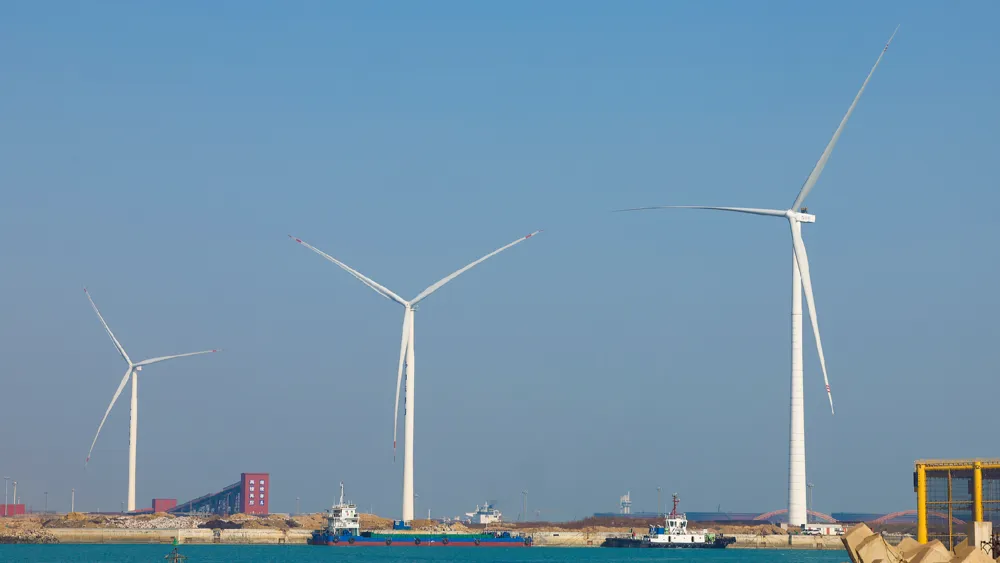
China is forging partnerships with Latin American and Caribbean (LAC) countries in the realms of artificial intelligence (AI) and green energy, driven by the goals of innovation, economic development, and the imperative to combat climate change. This cooperation marks a significant strategic move that promises to enhance technological growth while also addressing pressing environmental issues.
As the global economy shifts towards digital integration and the urgency for sustainable development rises, the partnership between China and LAC nations stands out as a crucial catalyst for progress in technology, environment, and economic structures. By merging China's advanced AI capabilities with LAC's rich natural resources, both entities can leverage their strengths to further sustainable initiatives and bolster their response to climate-related challenges.
The symbiosis of AI and green energy emerges as a critical component in the global transition to a greener economy. China's unparalleled advancements in AI technology—particularly in big data, machine learning, smart grids, and electric transportation—provide LAC countries with essential tools for the intelligent management of green energy. With applications such as predictive modeling and data analytics, AI facilitates improved energy capture, storage, and distribution, especially crucial for nations like Brazil and Chile that have abundant wind energy resources.
The unique comparative advantages presented by each party frame the context of this collaboration. In instances where countries excel in either AI research or renewable energy assets, partnerships can blossom to synthesize technology and natural resources. This framework not only fosters economic growth and energy security but leverages interdisciplinary collaboration to address shared environmental challenges.
China is recognized for its extensive expertise in AI and technological innovation, particularly in developing intelligent energy systems and low-carbon transportation frameworks. Conversely, LAC countries boast vast renewable energy resources in solar, wind, and hydropower. Merging these dynamic strengths enables a symbiotic relationship that enhances energy efficiency and presents a sustainable development ideal.
Furthering AI and green energy collaboration requires a robust policy framework that facilitates technology transfer and industrial cooperation. Initiatives like China's Belt and Road and Digital Silk Road present valuable support for LAC nations to fortify their renewable energy projects and tech integration strategies. By aligning policy objectives, both sides can enhance green investments and technological collaboration essential for sustainable development.
Despite the promising prospects for collaboration, challenges persist. Notably, LAC countries face technological barriers and talent shortages that hinder their research capabilities in AI and green energy. Additionally, discrepancies in policies and cultural norms can introduce friction in cooperation efforts, particularly around technology standards and data protection.
To navigate these hurdles, enhanced cooperative mechanisms and joint research initiatives are imperative. Investments in talent development and cross-national technological transfers can further bolster this partnership. The synergy between governmental and private sector initiatives will be vital in unlocking opportunities for innovative financing and green investments.
Looking ahead, the collaboration between China and LAC is poised to play an increasingly influential role in tackling global climate change, promoting green growth, and facilitating the digital economy's transformation. With resources and technological advancements combined, both regions can contribute significantly towards achieving international sustainability goals.
Read These Next

Jiangsu Lianrui's Strategy to Hedge Currency Risks
This commentary analyzes Jiangsu Lianrui New Materials Co., Ltd.'s annual report, focusing on its expansion of overseas operations and proactive hedging strategies, while examining the inherent risks and broader economic trends.
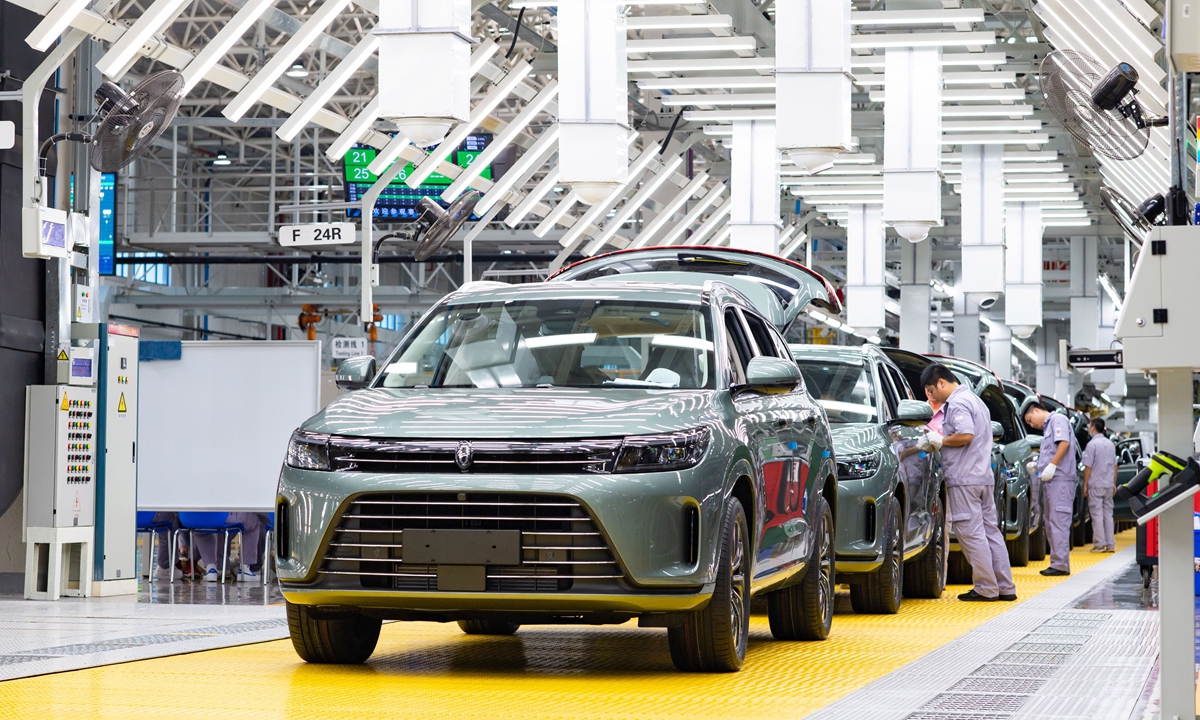
China NEV wholesale set to grow 13% to 173 million units by 2026
China's wholesale sales of new-energy vehicles expected to grow 13% this year, driven by advances in self-driving tech and global expansion.

Fitch Warns Saudi Banks May Stop Growth Amid Iran Conflict
Fitch warns that ongoing Iran-Saudi conflict could stall Saudi banking growth and dividends, raising concerns for regional stability.