

Canada Embraces More Chinese EVs Amid Policy Shift
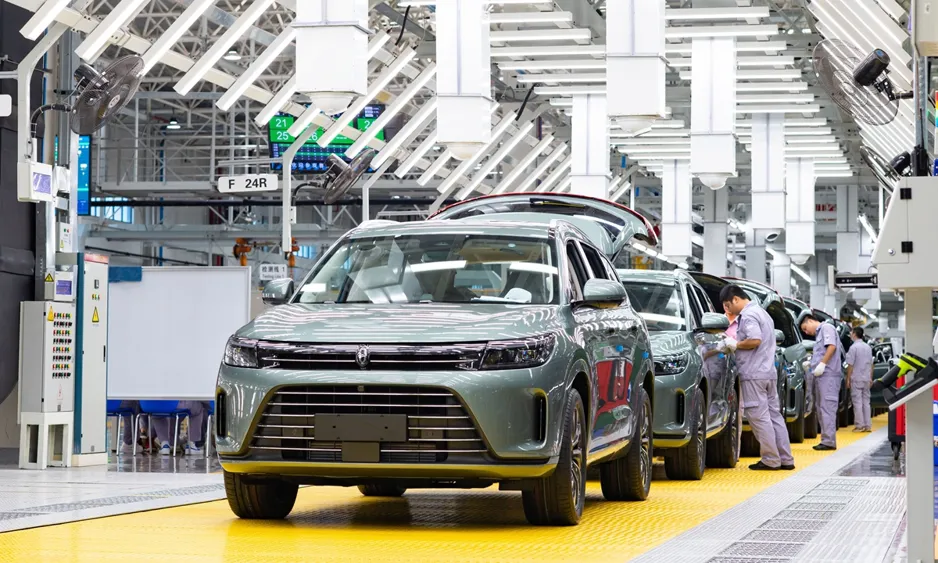
A recent survey conducted by Leger indicates a significant shift in Canadian public sentiment towards the importation of Chinese electric vehicles (EVs). The poll, highlighted by the Canadian Press, suggests that a majority of Canadians are in favor of increasing the availability of these vehicles amidst rising living costs and evolving international relations.
The online poll, conducted from January 30 to February 2 with responses from 1,570 Canadians, revealed that 61 percent of participants support the government’s initiative to allow the entry of more Chinese EVs into the market. This includes 24 percent who expressed strong support and another 38 percent who somewhat support the initiative.
This polling data arrives in tandem with the Canadian government's recent policy announcement, during Prime Minister Mark Carney's visit to China, which allows for an annual quota of 49,000 Chinese EVs to be imported at a reduced tariff rate of 6.1 percent. The initiative exempts them from the 100-percent surtax that is set to take effect in 2024.
Furthermore, the poll showed that approximately 70 percent of respondents were aware of the agreement between Ottawa and Beijing, suggesting a substantial public interest and awareness regarding these changes.
Experts have interpreted these results as indicative of a broader acceptance among Canadians regarding changing dynamics in the bilateral relationship with China. Zhou Mi, a senior research fellow at the Chinese Academy of International Trade and Economic Cooperation, emphasized the desire among Canadians for affordable vehicle options that were previously limited due to high tariffs.
Steve Mossop, an executive at Leger, remarked that Canadians' perspectives on their relationship with China have undergone a notable transformation over the past year, as exemplified by the poll results.
Despite some concerns regarding the quality and durability of Chinese EVs, attributed largely to past tensions and negative media portrayals, Zhou argued for the necessity of enhanced communication and transparency. He believes that establishing effective information channels will help alleviate consumer uncertainties about Chinese automakers.
The survey noted that nearly two-thirds of Canadians expressed worries about potential retaliation from the United States if Canada deepens its trade ties with China. However, a clear majority resisted the notion of limiting trade with China as a precaution against potential economic backlash from the U.S.
Despite concerns over automotive jobs and the quality of imported vehicles, many Canadians prioritize the need for affordable EV options. Trevor Melanson from Clean Energy Canada noted that this reflects a strong public demand for cost-effective solutions, underpinning the significant interest in Chinese EVs.
While apprehensions about U.S. retaliation remain valid, the survey indicates a growing sentiment among Canadians towards fostering a positive relationship with China. Zhou concluded that the public seems to advocate for a trade strategy that aligns with national interests while remaining open to pragmatic engagement with China.
Read These Next

Volvo Cars Faces Profit Drop and Market Challenges
Analysis of Volvo Cars' significant profit decline and stock market impact due to tariffs and changing market conditions.

China implements zero-tariff policy for Hainan imports
China launches a zero-tariff policy for Hainan residents, allowing a 10,000 yuan duty-free shopping quota to boost economy.

Alphabet stock slips 1.5 percent in after-hours trading
Alphabet's stock fell 1.5% in after-hours trading amid market uncertainty over its financial report and tech stocks' performance.