

Stability and Risk in Company Share Capital for Investors

In recent announcements, a prominent Hong Kong-based company has indicated that its share capital remains unchanged at 1 billion Hong Kong Dollars, consisting of 1 trillion shares with a nominal value of HKD 0.001 each. This stability in the share capital and the fixed number of issued shares at approximately 8.71 billion suggests a period of consolidation for the company. While some analysts may interpret this silence as a lack of growth or attraction of new investment, it is essential to assess its significance within the broader economic landscape, especially considering current market volatility and investor sentiment.
The fact that the company complies with public ownership requirements is a notable development. It signals to investors that the organization remains a stable entity in a fluctuating market. This adherence to regulations fosters confidence for current and potential investors and could minimize concerns regarding stock dilution or corporate governance issues. However, one must consider: is compliance enough? As the global economy navigates through uncertain waters post-pandemic, many companies find it increasingly challenging to adapt quickly to shifts in market dynamics. A static share structure might serve as a double-edged sword; while it reflects stability, it may also result in missed opportunities for capital raising or expansion in a competitive environment.
Moreover, the mention of potential risks tied to regulatory compliance raises critical questions regarding the future trajectory of the company. The failure to maintain public ownership compliance could lead to dire consequences, including regulatory scrutiny or sanctions that may affect stock performance. Furthermore, the designation of "not applicable" for certain categories of stock options suggests a lack of flexibility in diversifying funding or incentivizing shareholders, which may inadvertently stifle shareholder engagement and innovation. Is this rigidity a strategic miscalculation in an era where agility and responsiveness can dictate a corporation’s ability to flourish? Investors must weigh these risks against the backdrop of strong fundamentals and a supportive regulatory framework within Hong Kong's market.
Read These Next

Jiangsu Lianrui's Strategy to Hedge Currency Risks
This commentary analyzes Jiangsu Lianrui New Materials Co., Ltd.'s annual report, focusing on its expansion of overseas operations and proactive hedging strategies, while examining the inherent risks and broader economic trends.
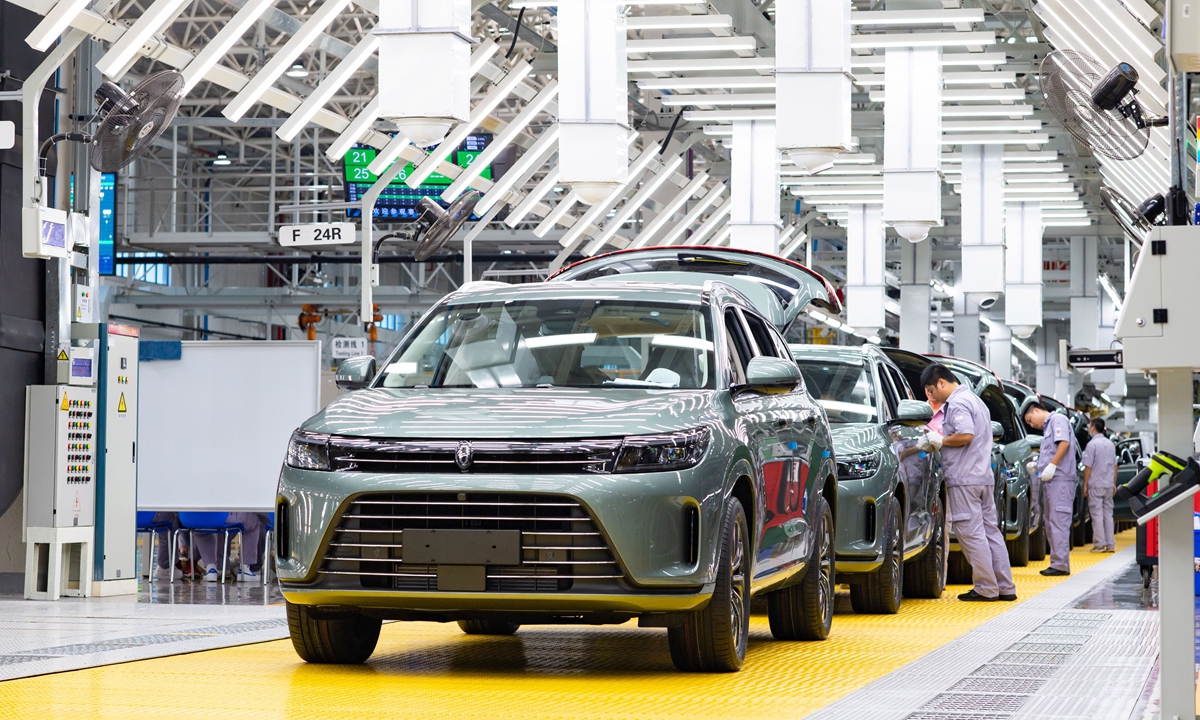
China NEV wholesale set to grow 13% to 173 million units by 2026
China's wholesale sales of new-energy vehicles expected to grow 13% this year, driven by advances in self-driving tech and global expansion.

Fitch Warns Saudi Banks May Stop Growth Amid Iran Conflict
Fitch warns that ongoing Iran-Saudi conflict could stall Saudi banking growth and dividends, raising concerns for regional stability.