

US Confidence Gap Growing Between Economic Strata Warns Expert
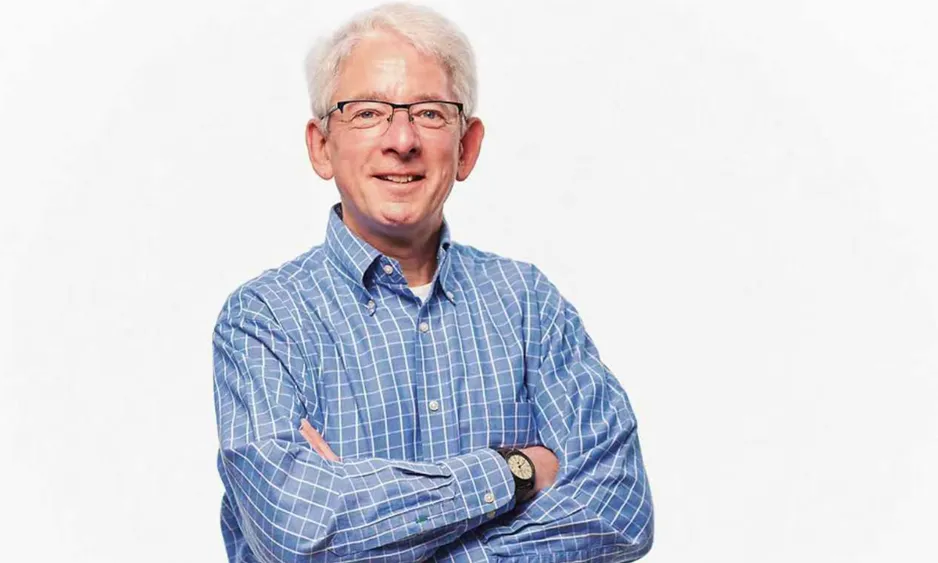
Wealth inequality and the concept of a K-shaped economy have reached unprecedented levels, as highlighted by economist Peter Atwater in discussions surrounding post-pandemic recovery. Data indicates that this trend has shaped the economic landscape since 2025 and continues to affect society into 2026, creating a harsh economic climate for many families.
Media reports from outlets like Fortune and CNN illustrate a stark reality in the United States, where the adage of "the rich get richer and the poor get poorer" rings increasingly true. Atwater, who coined the term "K-shaped economy," characterizes this recovery as one where distinct sectors are on diverging paths—some are thriving while others are faltering, effectively drawing a K shape.
On one side of the economic divide, those who have wealth generally own their homes and often run their own businesses. This group has benefited significantly from a rising stock market and escalating home prices. Corporate leaders and tech entrepreneurs, in particular, have seen their wealth surge due to stock options and the profitability associated with innovations in artificial intelligence.
Conversely, those at the bottom of the economic strata have increasingly found themselves falling behind, while those at the top have enjoyed a notable increase in their net worth. Atwater conveyed a prediction that this confidence divide would eventually manifest within the broader economy, asserting that while many economists forecasted a U or V-shaped recovery, he anticipated the contrasting K shape.
According to Atwater, the divide in confidence between different economic classes is producing distinct cultural and emotional responses. Music, for example, is reflecting a trend toward melancholy, a sentiment often associated with lower confidence levels. Meanwhile, those in positions of wealth appear driven by aspirations toward futuristic technologies and ventures, such as artificial intelligence and space exploration, typical of more confident eras.
A unique characteristic of the current American landscape is the pronounced feeling of disparity in confidence. At times, it feels as though the preferences and ambitions of the affluent are in stark contrast to those of the less fortunate. This divergence highlights a broader cultural and economic split that may influence future policy and societal priorities.
As recent economic conditions have unfolded, the expectation of connection between various confidence levels has been challenged. The emphasis on technical innovation, particularly in sectors that have resulted in workforce reductions, compounds the existing issues of affordability for lower-income groups.
In response to these challenges, there has been a push toward addressing affordability concerns among those situated at the lower end of the socioeconomic spectrum. However, the discourse surrounding effective measures to bridge this confidence gap remains conflicting and unresolved.
The growing interest in the notion of a K-shaped economy represents two significant trends. First, there is an undeniable visibility of abundance among the elite juxtaposed against stark scarcity experienced by others. Boarding an airplane can symbolize this disparity, with evident distinctions in seating arrangements highlighting the economic divide.
Secondly, there is a noticeable drop in consumer confidence among those at the bottom, while confidence remains robust at the top, bolstered by financial markets nearing historic highs. It is critical to note that a surge in concerns over affordability coincides with these shifts in confidence.
Atwater posits that suppliers and businesses may need to recognize the implications of declining confidence, which often fosters isolationist tendencies alongside a demand for localized resilience. This shift towards politicizing economic efficiency carries inherent inflationary pressures.
Investors are urged to keep tabs not only on their personal confidence but also on the sentiments exhibited by fellow investors, treating these observations as vital data points. An understanding of collective behavior can providentially indicate optimal moments for buying or selling.
At the core of the analysis of the K-shaped economy lies its profound impact on confidence levels. America now exists in a state where a minority feels invulnerable, navigating a landscape replete with wealth, while a majority grapples with persistent and growing feelings of despair.
The essential contrast between the economic goals of the affluent and those who are less confident raises a compelling question regarding which demographic will ultimately dictate the future direction of American policy and priorities.
Read These Next

Jiangsu Lianrui's Strategy to Hedge Currency Risks
This commentary analyzes Jiangsu Lianrui New Materials Co., Ltd.'s annual report, focusing on its expansion of overseas operations and proactive hedging strategies, while examining the inherent risks and broader economic trends.
China NEV wholesale set to grow 13% to 173 million units by 2026
China's wholesale sales of new-energy vehicles expected to grow 13% this year, driven by advances in self-driving tech and global expansion.

Fitch Warns Saudi Banks May Stop Growth Amid Iran Conflict
Fitch warns that ongoing Iran-Saudi conflict could stall Saudi banking growth and dividends, raising concerns for regional stability.