

Rifts Over Pricing Cast Doubt on G7 Alliance for Critical Minerals
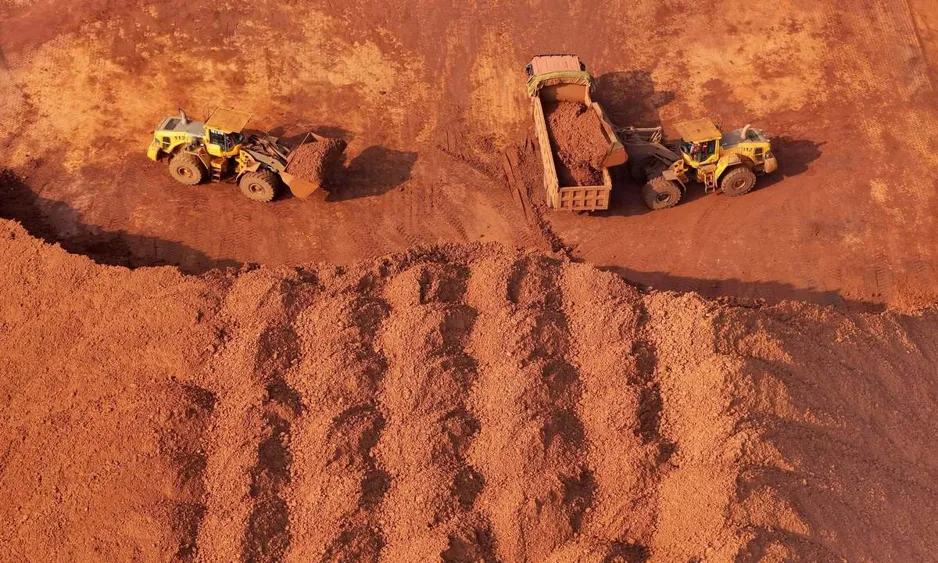
A coalition of 20 economies, which includes G7 nations, is seeking to establish a critical minerals alliance amidst ongoing disputes over pricing and supply challenges. Western economies are moving swiftly to discuss this alliance; however, fundamental disagreements over funding mechanisms, price security, and trade obligations have begun to raise concerns about the viability of this initiative.
Ministers from countries including the US, EU, UK, Japan, Australia, and New Zealand are set to gather in Washington this week to delve into a strategic partnership focused on critical minerals. This meeting, reported by The Guardian, is perceived as an opportunity to repair transatlantic relations that have deteriorated over the past year, especially in light of escalating conflicts involving the United States.
As the second summit on this matter in just a month, the discussions will involve approximately 20 countries, among them G7 members such as the UK, US, Japan, France, Germany, Italy, and Canada, along with other nations like India, South Korea, Mexico, Australia, New Zealand, and potentially Argentina.
The urgency driving Western economies to form industrial alliances is largely rooted in strategic anxieties, as noted by He Weiwen, a senior fellow at the Center for China and Globalization. While these coalitions may be politically inclined, the expert argues that they are unlikely to replace China as a primary supplier of critical minerals.
Critical minerals have increasingly featured in discussions among Western economies, highlighted by a rare-earth agreement between the US and Australia last October, in addition to the establishment of a G7 "critical minerals production alliance." However, actual results stemming from such initiatives have been limited thus far.
He Weiwen emphasized that these arrangements are not positioned to fundamentally alter the global rare-earth supply chain in the near term, primarily because the critical issue is not a shortage of raw materials but rather the lack of high-standard refining capabilities necessary for production.
Debates surrounding minimum price guarantees have emerged as a significant test for the proposed alliance. Reports indicate that one of the key talking points for the upcoming summit will be the demand for the US to agree to a price mechanism for critical minerals and rare earths. However, Washington has recently distanced itself from this notion, acknowledging challenges in sourcing sufficient Congressional funding.
The retreat from the minimum price proposal has resulted in declines in related stocks in Australia, which has been positioning itself as a central alternative supplier of critical minerals to China. The country's efforts to stockpile elements like antimony and gallium have been highlighted as part of this strategy.
Disagreements over price guarantees may directly hinder the progress of the alliance, as He Weiwen has pointed out. The structural contradictions arising from the US's own interests complicate alignment with its allies, making consensus difficult.
In parallel, the discussions about critical minerals are occurring amidst ongoing trade disputes between the EU and the US regarding steel tariffs. The EU intends to use this summit as a platform to push for the withdrawal of global steel derivative tariffs that impose additional duties on steel-containing products.
As analysts have suggested, trade disputes risk undermining trust and policy coherence among countries involved, casting doubt on the potential for sustained long-term collaboration within the proposed critical minerals and rare-earth alliance.
China's role remains crucial as its supply chains are highly internationalized, and the country has not implemented a blanket ban on rare-earth exports. Experts like He Weiwen argue that Western economies would benefit more from cooperation with China rather than trying to sever ties and establish entirely new supply chains.
Read These Next

Ray Dalio on the Capital War and Gold's Safe Haven Status
Ray Dalio warns of a looming capital war and the volatility of capital markets at the World Governments Summit, emphasizing the importance of gold as a safe haven for investors amidst geopolitical tensions.
US President Plans 12 Billion Dollar Critical Mineral Stockpile
US funding targets stability in essential minerals amid ongoing supply security concerns.

US Stock Indices Slide as Tech Stocks Falter Metals Surge
U.S. stock indexes fell: Dow -0.34%, Nasdaq -1.43%, S&P 500 -0.83%. Tech stocks dropped, but gold resources rose over 20%.