

Waymo's Service Suspension: Caution or Reliability Issue?

Waymo's recent decision to halt its robotaxi service in San Francisco, a major metropolitan area, due to severe weather warnings raises critical implications for the advancement of autonomous vehicle technology and its reliance on situational contingencies. This temporary suspension, especially over the Christmas period—when demand is significant—highlights the precarious balance between innovation, passenger safety, and service continuity. Moreover, it puts a spotlight on the underlying economic forces shaping the future of autonomous transportation and the challenges that persist in a rapidly evolving technological landscape.
The suspension came shortly after an earlier incident where Waymo's fleet ground to a halt during a blackout, creating traffic obstructions which called into question the reliability of driverless technology during emergencies. Historically, disruptions in service can evoke memories of crises such as the dot-com bubble bust when investors learned that technology companies could falter under unexpected pressures. This scenario prompts a reflection on the robustness of Waymo's infrastructure, particularly in terms of operational resilience against extreme weather and urban disruptions. With both the National Weather Service and public administrations taking increased interest in regulating autonomous vehicles, it is clear that Waymo must recalibrate its technology strategy to meet not just operational benchmarks but also new regulatory expectations.
Investors are closely watching how Waymo adapts to potential disruptions in order to safeguard their interests. The company's recent move to enhance fleet resilience demonstrates it recognizes the imperative to evolve. However, repeated service interruptions could nudge stakeholders to reconsider their confidence. It is not merely growth in market share that matters; the perception surrounding reliability and safety is equally crucial. As we’ve seen during significant past economic disruptions, a lack of consumer confidence can impede corporate profitability and expansion. If Waymo's services continue to face scrutiny over reliability, will investors question its market viability and profitability during pivotal growth phases?
As the landscape for autonomous vehicles continues to mature, Waymo's proactive approach to developing contingency plans for adverse weather is a strategic necessity. This also presents an opportunity to leverage collaborations with regulators to ensure that not only innovation thrives but public perception is nurtured as well. The question remains—for other tech companies exploring urban transportation—how do we balance the technological aspirations with the tangible realities of urban infrastructure and climate adversities? Ultimately, how Waymo responds to this phase of challenges could dictate its trajectory, reinforcing the importance of strategic foresight in a landscape that is both promising and unforgiving.
Read These Next
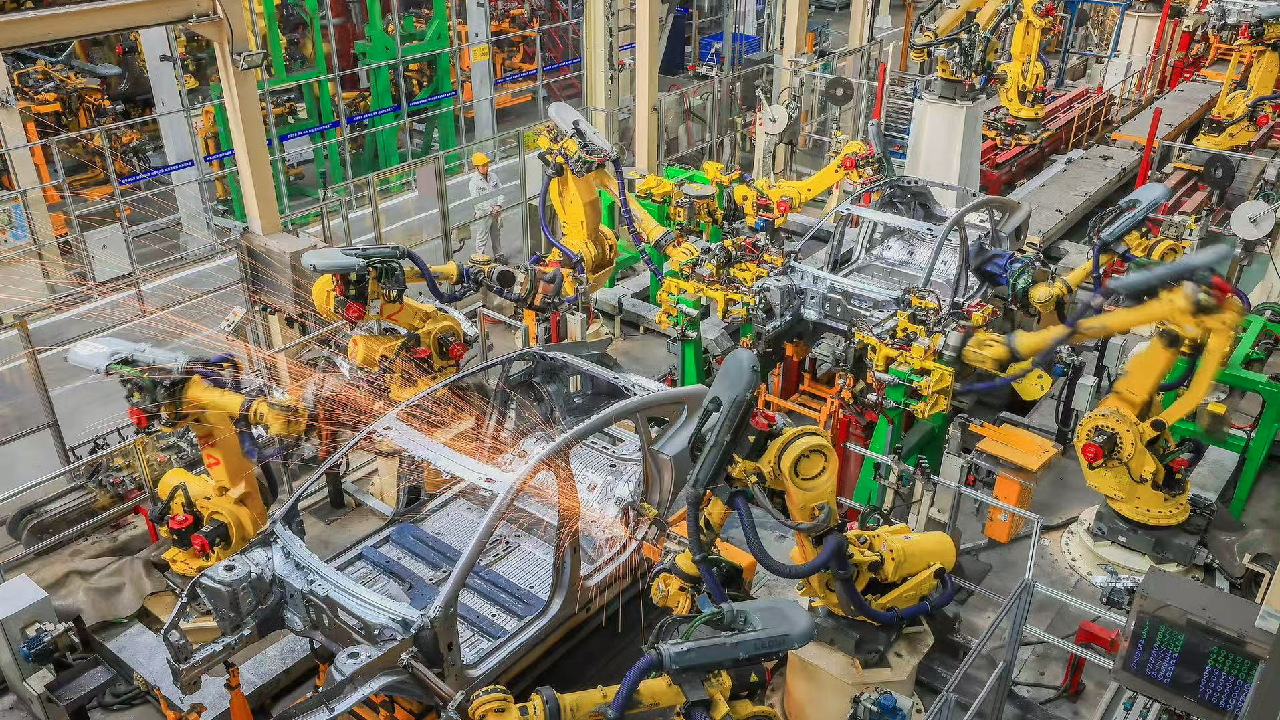
China's Industrial Profits Show Continued Growth in 2025
China's industrial profits stay positive despite a slight growth decline, indicating sector recovery and resilience.

Countries and Organizations Unite Against Israel's Somaliland Recognition
Several countries and organizations condemned Israel's recognition of Somaliland, citing threats to peace and breaches of international law.

Europe at a Crossroads: AI Competition vs. Climate Issues
Europe faces a pivotal choice of advancing in AI while meeting climate goals; existing regulations may hinder progress, leading to energy demands increasing rapidly, complicating their climate initiatives.