

UK's AI Energy Ambitions: A Year in Review

Reflecting on the United Kingdom's ambitious leap into the artificial intelligence (AI) landscape, the one-year mark since the announcement of the AI Opportunities Action Plan has revealed both considerable financial backing from tech giants and formidable barriers to achieving the nation's AI superpower aspirations. Prime Minister Keir Starmer's vision to establish the UK as a frontrunner in AI technology rests heavily on the expedited growth of data centers designed to support vast computational needs. Yet, as investments pour in from heavyweights like Nvidia, Microsoft, and Google, the lack of reliable energy infrastructure creates a quagmire that could thwart this endeavor. The crux of the issue lies in the interdependence of expansion and energy supply; the creation of "AI growth zones" is intended to streamline the establishment of necessary data centers. However, the slow pace of implementation is raising eyebrows within the industry. The four growth zones announced remain in their infancy, with sites like Oxfordshire yet to break ground; construction at northeastern sites won’t commence until 2026. Despite the government’s target for AI growth zones to collectively support a demand of over 500 megawatts by 2030, grid delays estimated between eight and ten years present significant roadblocks. As Ben Pritchard, CEO of AVK, aptly noted, there exists a chasm between ambition and execution. Can the UK truly foster an AI environment competitive with its global counterparts if the foundational infrastructure remains compromised?
Analyzing these circumstances through the lens of economic indicators, the UK's energy costs have surged approximately 75% post-Russia's invasion of Ukraine, complicating the viability of data centers economically. Today, UK businesses face the harsh reality of some of the highest industrial electricity prices in Europe, undermining the region's attractiveness for investment compared to alternatives like the United States, where power dynamics favor growth. Yet the principal challenge extends beyond just the cost of energy; the legacy grid systems are ill-equipped for the expected demand surges as AI workloads become mainstream. With data center electricity needs projected to account for 9% of total UK consumption by 2030, meeting this demand demands significant advancements in grid flexibility and energy sourcing. This signals a critical point of contention for investors: if the grid remains unable to accommodate the growth of data centers quickly enough, what potential does the UK's AI ecosystem truly hold?
On a somewhat optimistic note, the influx of private capital is undeniably crucial in laying the groundwork for future growth. Technological innovations, including microgrids and battery storage solutions, are being explored to alleviate pressure on the national grid. Startups like Nscale are spearheading initiatives to navigate the energy landscape more effectively, exemplifying how private sector agility can mitigate some challenges posed by a sluggish regulatory framework. However, as Punit Gupta of NetApp cautions, the real measure of success will evolve from how swiftly these ambitious plans can be converted into operational frameworks. While the commitment to an expansive AI strategy is commendable, the lingering question remains: will the UK leverage its initial head start in AI investments to craft a sustainable ecosystem that bridges ambition with reality? Policymakers must act with urgency to resolve energy constraints and capitalize on the burgeoning tech landscape or risk relegating the UK to a secondary role in a global race poised to define the future.
Read These Next
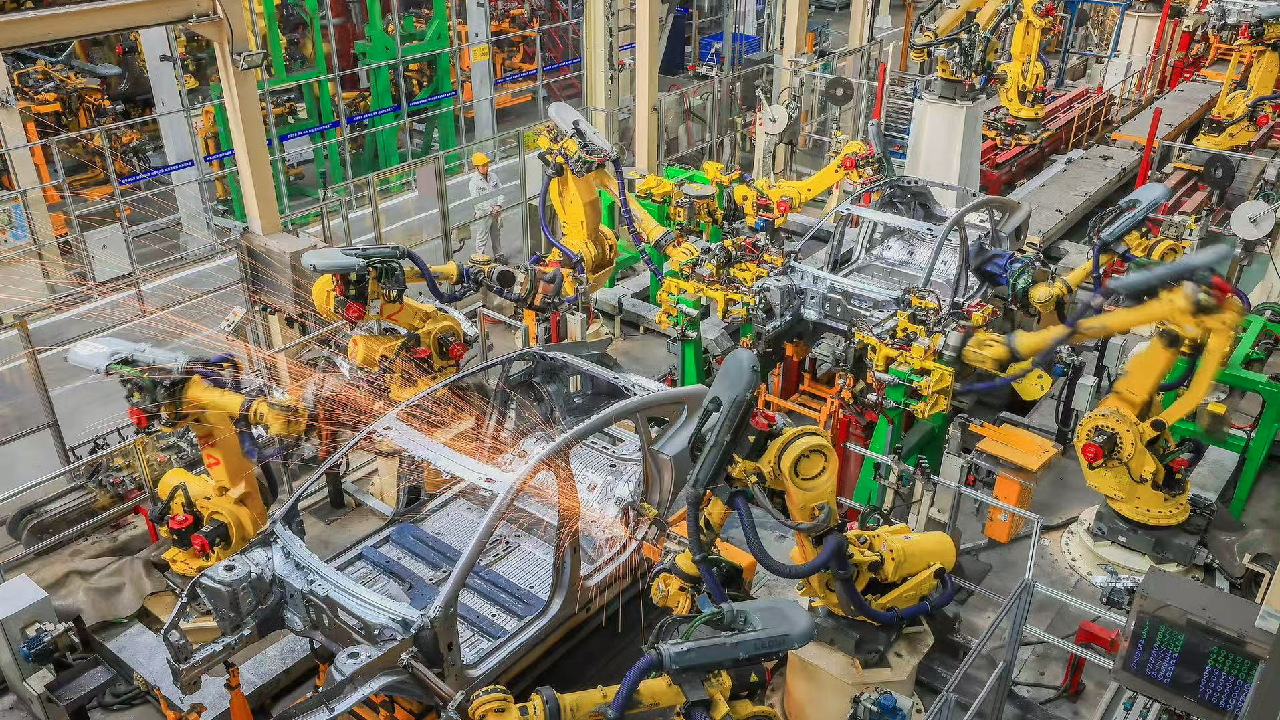
China's Industrial Profits Show Continued Growth in 2025
China's industrial profits stay positive despite a slight growth decline, indicating sector recovery and resilience.

Countries and Organizations Unite Against Israel's Somaliland Recognition
Several countries and organizations condemned Israel's recognition of Somaliland, citing threats to peace and breaches of international law.

Europe at a Crossroads: AI Competition vs. Climate Issues
Europe faces a pivotal choice of advancing in AI while meeting climate goals; existing regulations may hinder progress, leading to energy demands increasing rapidly, complicating their climate initiatives.