

Waymo Resumes San Francisco Robotaxi Service After Power Outage

Tesla's CEO Elon Musk recently highlighted a crucial intersection of technology and urban infrastructure, as Waymo temporarily suspended its autonomous ride-hailing services following a major power outage in San Francisco. The incident affected approximately 130,000 households and businesses, illustrating not only the fragility of urban infrastructure but also the growing pains of autonomous vehicles in real-world conditions. Musk seized this opportunity to contrast Tesla's human-monitored vehicle service, which reportedly navigated the chaos unaffected, against Waymo's fully autonomous approach. This juxtaposition raises critical questions about the readiness of autonomous systems to handle infrastructure failures.
The San Francisco power outage serves as a bellwether for autonomous operational viability in real-world scenarios where infrastructure is compromised. Waymo's own response indicates that it is aware of these vulnerabilities; despite their technology's design to treat non-functional traffic signals as four-way stops, the sheer scale of the outage resulted in significant operational disruption. As Waymo and similar companies strive toward broader implementation, this incident underscores a vital necessity for enhanced resilience in technological infrastructure. Moreover, in an era marked by rapid digital transformation and high consumer expectations, such setbacks can have immense downstream effects on customer confidence and acceptance of autonomous technology.
This event echoes previous infrastructure incidents that have impeded advanced technological services worldwide, such as severe weather events disrupting logistics and transportation networks. The validity of deploying fully autonomous vehicles rests not only on their operational capabilities but also on their aptitude for adapting in unforeseen circumstances. The situation poses challenges for regulators who must navigate the balance between promoting innovation and safeguarding public safety. As urban areas increasingly incorporate new technologies for services, they should expect a symbiotic relationship between human oversight and machine efficiency. When evaluating the overall reliability of autonomous vehicles, one must ponder: are we prepared for the unintended consequences of widespread automation?
The implications of the Waymo incident extend towards long-term discussions on the evolution of urban mobility. With leading players like Waymo and Tesla competing in this space, stakeholders, consumers, and regulators are brought together in an ongoing dialogue about the practicality, reliability, and preparedness of autonomous technology in handling infrastructural adversity. The way forward requires a recalibration of expectations with regard to safety protocols and system redundancies. As highlighted by experts such as Brian Reimer, there is a pressing need to integrate human oversight into these systems until a proven reliability can be established.
Read These Next
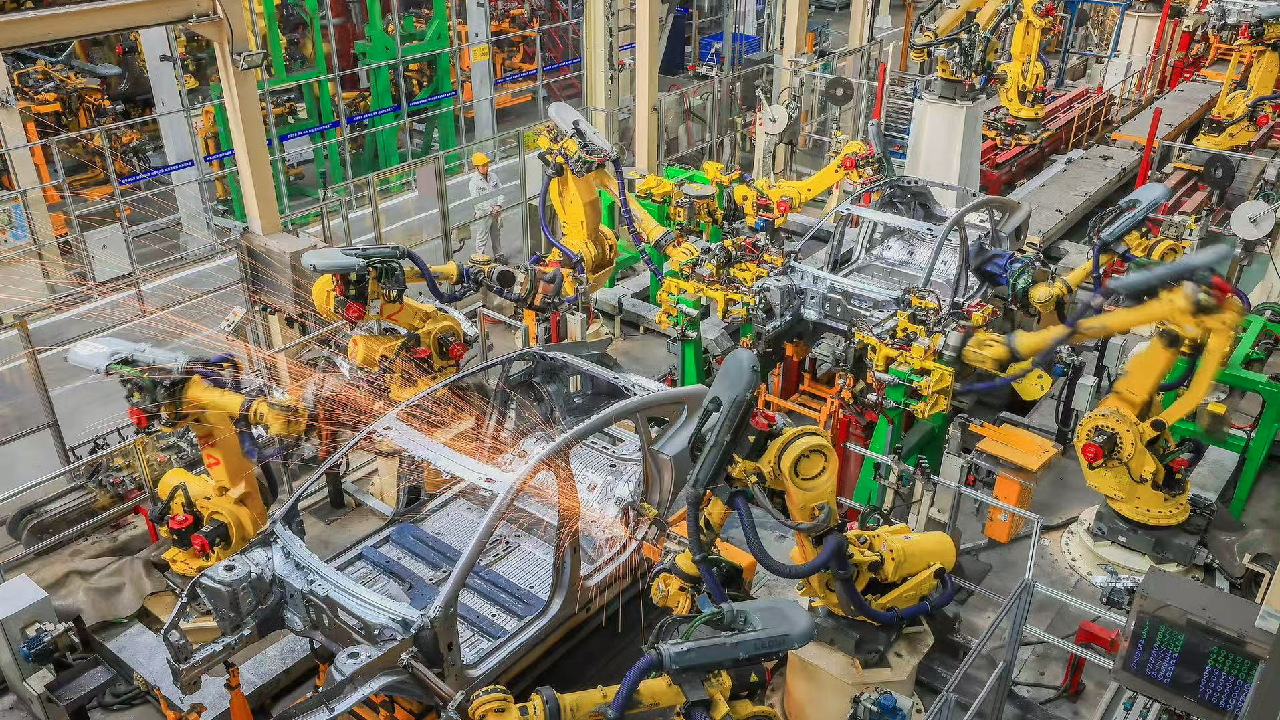
China's Industrial Profits Show Continued Growth in 2025
China's industrial profits stay positive despite a slight growth decline, indicating sector recovery and resilience.
Countries and Organizations Unite Against Israel's Somaliland Recognition
Several countries and organizations condemned Israel's recognition of Somaliland, citing threats to peace and breaches of international law.

Europe at a Crossroads: AI Competition vs. Climate Issues
Europe faces a pivotal choice of advancing in AI while meeting climate goals; existing regulations may hinder progress, leading to energy demands increasing rapidly, complicating their climate initiatives.