

Starboard's Clearwater Moves: Investor Insights on Sales Impact

Starboard Value, a prominent activist investor, has significantly increased interest in Clearwater Analytics by acquiring nearly 5% of the company’s shares. This strategic move is directed towards urging Clearwater to engage in a rigorous sales process if it has received inbound interest from potential buyers. Starboard's historical success with similar campaigns positions it as a critical player in shaping Clearwater's future, making this development particularly noteworthy in the context of broader market dynamics.
The implications of Starboard's involvement extend well beyond Clearwater itself, impacting the technology sector and institutional investor sentiments. Clearwater has distinguished itself as a leading provider of cloud-native platforms that seamlessly integrate various financial functions—a necessity in the increasingly complex investment landscape. However, recent strategic choices have raised concerns over its ability to maintain organic growth while integrating newly acquired firms like Enfusion, Beacon, and Bistro. The resulting skepticism has contributed to a decline in share prices from a high of $29.11 to around $15.73 post-Q3 earnings report. This type of volatility mirrors trends observed during past market restructurings, such as the tech implosions during the dot-com bubble and the 2008 financial crisis, where integration challenges often led to sharp market corrections.
From a regulatory standpoint, Clearwater's potential sale process must navigate complex terrain. Given the company's history with significant private equity investment, any engagement in a sales process could invite scrutiny from both SEC and antitrust regulators. The involvement of previous backers like Warburg Pincus and Permira potentially complicates matters, raising questions of conflict of interest should they consider bidding during the sales process. Starboard's insistence on a fair evaluation aligns with the need for transparency in corporate governance, prompting all stakeholders—including regulators and consumers—to consider the broader implications of such a strategic shift.
Market analysts present varying perspectives on Clearwater's prospects. Some argue that the standalone growth strategy could yield greater long-term value, emphasizing Clearwater's foundational strengths in a market increasingly leaning towards digitization and integrated solutions. However, others warn against the risks of remaining a standalone entity, especially given the hefty leverage now associated with the company post-acquisition. This dual outlook highlights a critical tension: can Clearwater, with its current infrastructure, adapt quickly enough to capitalize on growth opportunities without losing sight of its core operational efficiency?
Investors are encouraged to monitor Clearwater’s next moves closely. The potential outcomes range from an effective implementation of existing acquisitions and a return to strong organic growth, to a satisfactory sale that aligns with market expectations, or a hasty process driven by previous investors. Each scenario carries distinct implications for shareholder value, organizational stability, and market sentiment. The question remains: will Starboard and other stakeholders successfully steer Clearwater through this inflection point while maximizing shareholder value in an increasingly demanding market?
Read These Next

Goldman Sachs Launches New ETF for Downside Protection
Goldman Sachs' strategic acquisition of Innovator Capital Management signals a bold move into ETFs aimed at market downturn protection, tapping into growing investor demand for safety amid volatility. This commentary explores the implications and trends arising from their strategy.
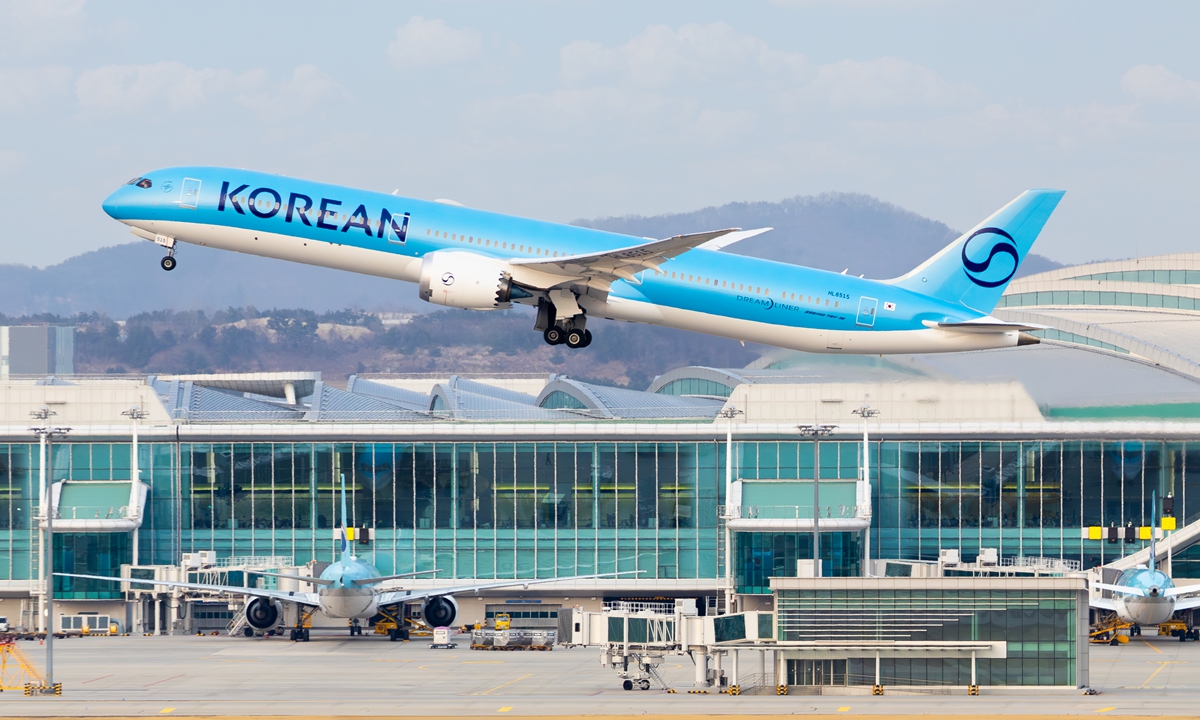
Korean Air Sees Travel Surge to China with Shanghai Top Destination
Korean Air sees a rise in passengers to China, with Shanghai being popular due to China's visa exemption for South Koreans.

Fire at Wangxiangu Scenic Area in Jiangxi Shangrao Under Control
On Dec 13, 2025, a fire at Wangxiangu's scenic area in Jiangxi was controlled in 2 hours with no casualties; cause under investigation.